What Leads To Repeated Drain Blockages In Milton Properties
It often starts the same way. The kitchen sink drains a little slower than usual. The shower begins to pool around your feet. You clear the blockage, things seem fine for a while, and then the problem returns. For many property owners and tenants, repeated drain blockages are more than an inconvenience. They can signal deeper issues within the plumbing system.
Recurring drainage problems rarely happen without a reason. In residential and light commercial properties, they are usually linked to a combination of daily habits, hidden pipe damage and long-term wear within the drainage network. Understanding what contributes to repeated blockages can help reduce disruption, avoid unnecessary callouts and highlight when it is time to contact a plumber Milton residents rely on for further investigation.
Below are some of the most common factors behind ongoing drain blockages.
The Build-Up Of Grease & Food Waste In Kitchen Drains
Kitchen sinks are one of the most frequent sources of recurring blockages. Even when a strainer is used, small amounts of food scraps, oils and grease enter the pipework.
Over time, grease cools and solidifies along the inner walls of pipes. This sticky layer traps:
- Coffee grounds
- Rice & pasta
- Vegetable peelings
- Dishwashing residue
The result is a gradual narrowing of the pipe’s internal diameter. Water may continue to flow at first, but each new deposit adds to the restriction. Eventually, even a minor amount of waste can trigger a full blockage.
Regular clearing of surface debris helps, but if the underlying grease build-up is not removed, the issue is likely to return. In these situations, a Milton plumber may need to assess the line to determine whether deeper cleaning or further investigation is required.
Hair & Soap Residue In Bathroom Waste Lines
Bathrooms are another common trouble spot. Hair, soap scum and personal care products combine to create dense clumps that lodge within pipes.
The challenge with bathroom blockages is that they often form gradually. Signs may include:
- Slow-draining showers or basins
- Gurgling sounds from nearby fixtures
- Unpleasant odours from the drain
Soap residue can bind with minerals in the water supply, forming a hardened coating along pipe surfaces. When hair becomes entangled in this layer, the obstruction can be difficult to clear using household tools alone.
If the same shower or basin blocks repeatedly, it may indicate that the accumulation extends beyond the immediate trap and further into the branch line.
Tree Root Intrusion Into Underground Pipes
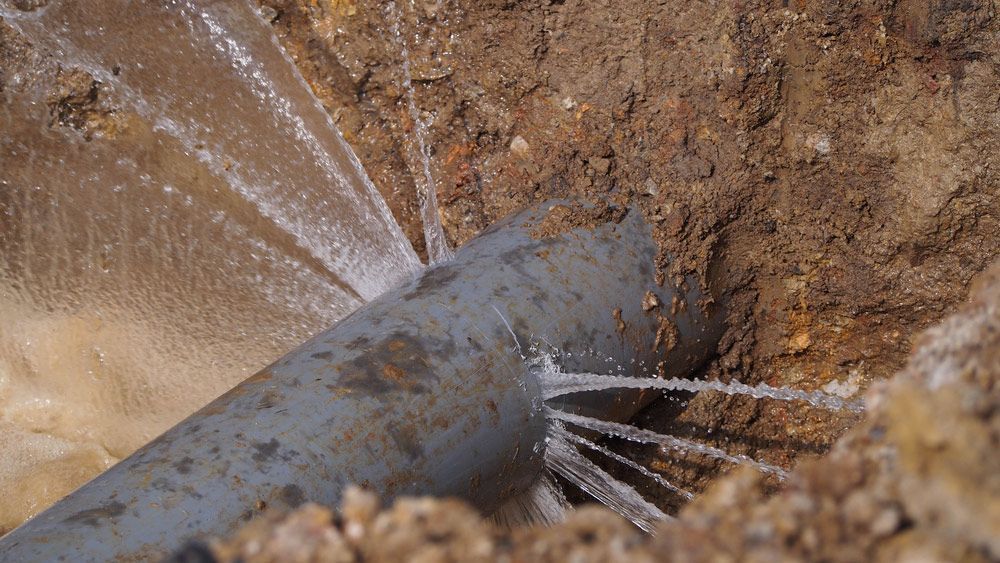
One of the less visible causes of recurring blockages is tree root intrusion. Underground drainage pipes, particularly older ones, can develop small cracks or loose joints. Tree roots are naturally drawn to moisture and nutrients, making these gaps attractive entry points.
Once inside, roots expand and create a network that traps debris. Symptoms may include:
- Frequent toilet overflows
- Blocked outdoor drains after rain
- Slow drainage throughout the property
Cutting or clearing roots may restore flow temporarily, but unless the pipe damage is addressed, roots can regrow. Drain camera inspections are often used to identify the location and extent of root intrusion.
Ageing Or Deteriorating Pipework
In many established properties, ageing pipes are a contributing factor. Materials such as earthenware or older metal piping can degrade over time.
Common age-related issues include:
- Cracked or fractured sections
- Corrosion causing rough internal surfaces
- Misaligned joints
- Partial collapses in underground drains
Even minor structural defects can create ledges or rough edges where waste accumulates. As debris catches, the likelihood of repeated blockages increases.
If blockages occur despite careful household practices, a plumber Milton property owners contact may investigate whether the issue lies with the condition of the pipework rather than surface-level debris.
Incorrect Items Flushed Or Washed Down Drains
Modern plumbing systems are designed to handle specific types of waste. When unsuitable materials enter the system, blockages can develop quickly.
Items that commonly contribute to repeated issues include:
- Wet wipes, even those labelled flushable
- Sanitary products
- Paper towels
- Cotton buds
- Cooking fats & oils
Unlike toilet paper, these materials do not break down easily in water. They can lodge in bends or join other debris already present in the pipe.
In rental properties and multi-occupancy buildings, inconsistent usage habits may mean blockages reoccur unless all occupants understand what should and should not enter the drainage system.
Poor Drainage Design Or Installation Issues
Sometimes recurring blockages are linked to how the plumbing was originally installed. Pipes that lack adequate fall or have sharp bends may struggle to carry waste effectively.
Potential design-related contributors include:
- Insufficient gradient in horizontal runs
- Excessive use of tight elbows
- Undersized pipes for the level of usage
- Inadequate venting
When wastewater does not move freely through the system, solids can settle and accumulate. In these cases, clearing the blockage addresses the symptom, but not the underlying cause.
A
Milton plumber may assess whether the configuration of the drainage system is contributing to repeated problems and outline possible rectification options.
External Drainage & Stormwater Connections
Blocked drains are not always limited to internal waste pipes. External drainage systems can also influence recurring issues.
Common external factors include:
- Leaves & garden debris entering stormwater pits
- Silt build-up in outdoor drains
- Broken grates allowing larger debris inside
- Cross-connections between stormwater & sewer lines
Heavy rainfall can exacerbate existing restrictions, causing water to back up into the property. If blockages appear after wet weather, the source may lie in the outdoor drainage network rather than internal fixtures.
Routine inspection of external drains and keeping grates clear can reduce the likelihood of these problems.
Warning Signs That The Problem Runs Deeper
A one-off blockage may not indicate a serious concern. However, certain patterns suggest a broader issue within the system.
Warning signs include:
- Multiple fixtures backing up at the same time
- Recurring blockages in the same location
- Sewage odours inside the property
- Water pooling around inspection openings outdoors
When these symptoms occur, it is often advisable to have the drainage system assessed to identify contributing factors. Early identification can help clarify whether the issue relates to surface debris, structural damage or external interference.
Addressing the root cause, rather than repeatedly clearing symptoms, can help reduce ongoing disruption.
Practical Steps To Reduce The Risk Of Repeat Blockages
While some causes require technical assessment, there are practical measures that property owners and tenants can take.
Simple preventative actions include:
- Scraping food scraps into the bin before washing dishes
- Allowing cooking oils to cool & disposing of them in sealed containers
- Installing hair catchers in showers & basins
- Avoiding flushing wipes or sanitary products
- Clearing outdoor drain grates of leaves & debris
These steps do not eliminate all risks, particularly in older properties, but they can reduce the volume of material entering the drainage system.
If blockages continue despite these measures, further investigation may be warranted to determine whether underlying pipe damage or root intrusion is involved.
Get In Touch
Repeated drain blockages can be frustrating for homeowners, landlords, tenants and property managers. At
Accredited Plumbing, we understand that ongoing drainage issues in properties around Milton can stem from ageing infrastructure, tree roots or everyday usage patterns. If you are dealing with frequent blockages or want clarity on what is happening within your pipes, you can
contact us through our website to arrange an inspection or service. Taking action early may help limit disruption and identify the source of the problem before it escalates further.