Pipe Relining vs Replacement: What’s Best for Your Property?
When dealing with damaged or ageing pipes, property owners are often faced with an important decision: should you choose pipe relining or full pipe replacement? Both options are commonly used in modern plumbing services, but the right choice depends on the condition of your pipes, the extent of the damage and your long-term goals.
Understanding the differences between pipe relining and pipe replacement can help you make an informed decision and avoid ongoing issues such as leaks, blockages or structural damage. If you’re experiencing pipe problems, consulting a professional plumber in Ulladulla can help determine the most suitable solution for your property.
What Is Pipe Relining?
Pipe relining is a trenchless repair method that involves inserting a new lining into an existing damaged pipe. This lining hardens to form a durable inner layer, effectively creating a new pipe within the old one. Relining is commonly used for:
- Cracked or leaking pipes
- Minor structural damage
- Tree root intrusion
- Some blocked pipe solutions
Because the process does not require excavation, it is often considered a less disruptive option for property owners.
What Is Pipe Replacement?
Pipe replacement involves removing the existing damaged pipe and installing a completely new one. This method is typically used when pipes are severely damaged or beyond repair. Replacement may be required when:
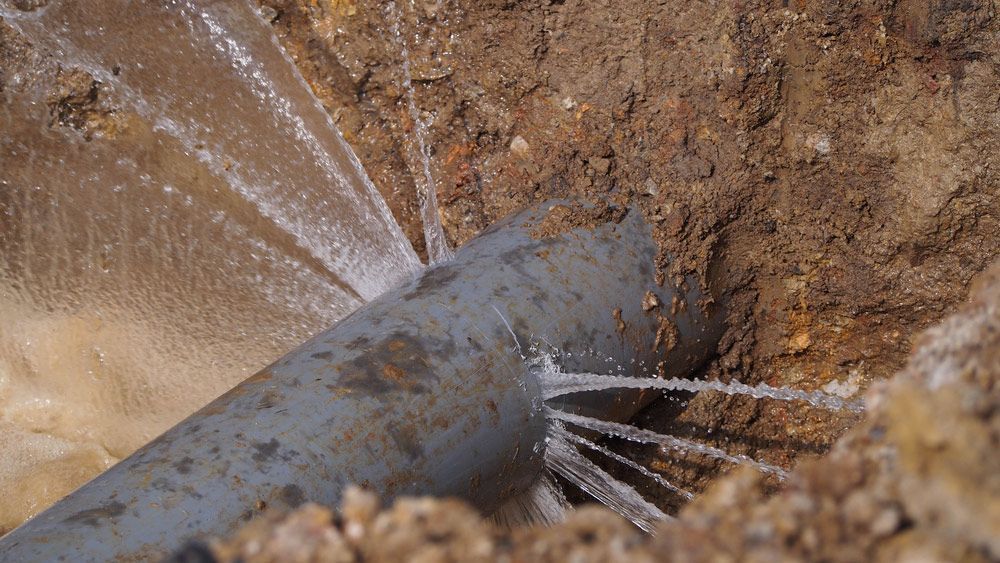
- Pipes have collapsed
- There is extensive corrosion or deterioration
- The pipe structure is no longer stable
- Previous repairs have failed
While effective, pipe replacement usually involves excavation, which can impact landscaping, driveways or building structures.
Key Differences Between Pipe Relining & Replacement
Level of Disruption
One of the biggest differences between pipe relining and pipe replacement is the level of disruption involved.
- Pipe relining is generally less invasive and does not require digging up large sections of your property
- Pipe replacement often requires excavation, which may affect gardens, paths or flooring
For homeowners looking to minimise disruption, relining may be a suitable option in certain situations.
Cost Considerations
Costs can vary depending on the complexity of the job, pipe condition and accessibility.
- Pipe relining may have higher upfront costs per metre but can reduce labour and restoration expenses
- Pipe replacement may involve additional costs related to excavation, labour and reinstating affected areas
A professional assessment from a plumber in Ulladulla can help determine which option is more cost-effective for your specific situation.
Suitability for Different Pipe Conditions
Not all pipe issues can be resolved with relining.
- Relining is often suitable for pipes that are structurally sound but have cracks or minor damage
- Replacement is typically required when pipes are severely damaged, collapsed or misaligned
Understanding the condition of your pipes is essential when deciding between these two options.
Longevity & Performance
Both methods are designed to provide long-term solutions when completed correctly.
- Modern sewer relining materials are designed to be durable and resistant to corrosion and tree root intrusion
- New pipes installed through replacement can also offer long service life when properly maintained
The longevity of either solution depends on installation quality and ongoing property pipe maintenance.
When Pipe Relining May Be the Better Option
Pipe relining is often preferred when:
- You want to avoid major excavation
- Pipes have minor to moderate damage
- Access to the pipes is limited
- Landscaping or structures need to be preserved
Relining can also be an effective option for addressing certain blocked pipe solutions without removing the existing pipe. For many property owners, relining provides a practical balance between efficiency and minimal disruption.
When Pipe Replacement May Be Necessary
Pipe replacement may be the better choice when:
- Pipes are collapsed or severely damaged
- There are significant alignment issues
- The pipe material has deteriorated beyond repair
- Previous repairs have not been successful
In these cases, replacing the pipe ensures the entire system is restored to a reliable condition. Professional plumbing repairs can help determine whether replacement is required to prevent ongoing issues.
The Role of Professional Plumbing Assessment
Choosing between pipe relining and pipe replacement requires a thorough understanding of the pipe condition. Professional plumbers often use inspection tools such as CCTV cameras to assess the internal condition of pipes. This allows them to identify:
- Cracks or leaks
- Blockages or root intrusion
- Structural damage
- Areas at risk of future failure
An experienced plumber in Ulladulla can provide tailored advice based on these findings, helping ensure the chosen solution is appropriate for your property.
Preventing Future Plumbing Issues
Whether you choose relining or replacement, ongoing maintenance is essential for preventing future problems. Helpful maintenance practices include:
- Regular inspections of plumbing systems
- Addressing small leaks early
- Avoiding disposal of unsuitable materials down drains
- Scheduling routine plumbing services
Proactive maintenance supports long-term leak prevention and helps reduce the likelihood of costly repairs.
Making the Right Choice for Your Property
Pipe relining and pipe replacement offer effective solutions for damaged or ageing pipes. The best option depends on factors such as pipe condition, accessibility, cost considerations and long-term performance goals. For property owners dealing with leaks, blockages or structural pipe issues, seeking professional advice is an important first step.
Consulting a trusted plumber in Ulladulla ensures your plumbing system is assessed accurately and the most suitable solution is recommended — helping protect your property and maintain reliable plumbing performance over time. To enquire or book a service,
contact Accredited Plumbing today!