Backflow Prevention & Testing For Safe Water Supply
Water flows through taps, appliances and pipes without much thought, yet the systems behind it are more complex than they appear. In certain conditions, that flow can reverse, drawing contaminated water back into the clean supply. This is known as backflow, and it can affect both residential and commercial properties if not properly managed.
Understanding how backflow occurs, why prevention matters and how regular testing fits into ongoing maintenance helps property owners make informed decisions about their plumbing systems. It also highlights the role of a plumber in Milton that property owners can turn to when managing compliance and safety.
What Is Backflow & Why Does It Matter?
Backflow occurs when water flows in the opposite direction to what is intended within a plumbing system. Instead of clean water moving into a property, contaminated water can be drawn back into the potable supply.
This reversal typically happens due to pressure changes, which can be caused by:
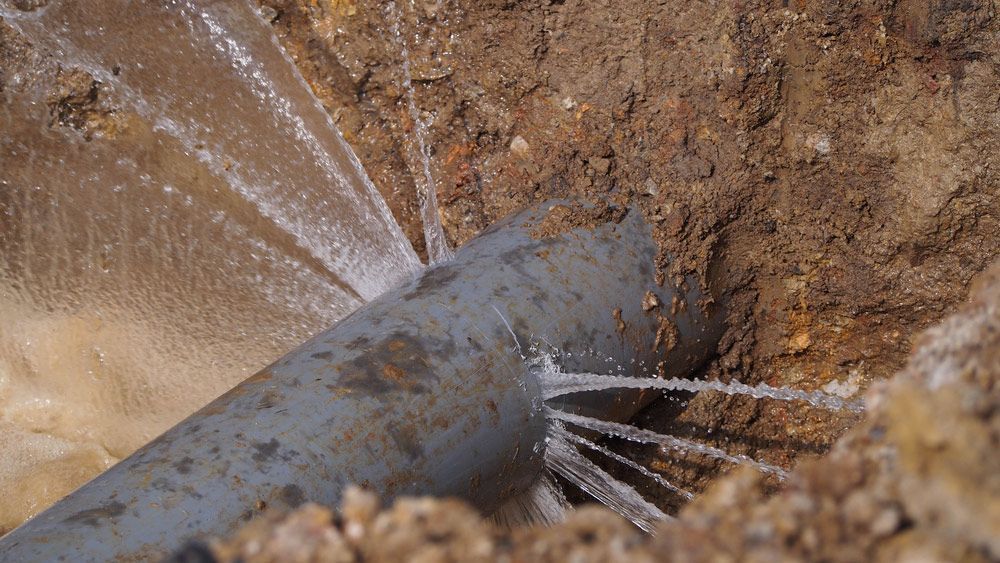
- Burst mains or pipe damage
- Sudden drops in water pressure
- High demand on local water infrastructure
- Cross-connections between clean & non-potable water sources
When backflow happens, it may introduce substances such as chemicals, bacteria or debris into drinking water. This creates risks not only for individual properties but also for neighbouring systems connected to the same supply. In shared water networks, even a single backflow event can affect multiple users.
Common Causes of Backflow in Residential & Commercial Settings
Backflow is not limited to industrial sites. It can occur in everyday environments where water systems are connected in complex ways.
Some common situations include:
- Irrigation systems connected to potable water
- Fire sprinkler systems with stagnant water
- Commercial kitchens using grease traps & high-pressure equipment
- Older plumbing setups with outdated pipework
- Garden hoses submerged in pools, buckets or tanks
In commercial or multi-residential properties, the risk increases due to the number of connections and varying water uses. Identifying these risks is an important step in managing water safety. Seasonal changes and increased water demand can also influence pressure fluctuations, contributing to potential backflow conditions.
Types of Backflow Prevention Devices
Backflow prevention devices are installed to stop contaminated water from reversing into the clean supply. The type of device used depends on the level of risk associated with the property.
Common devices include:
- Double Check Valves (DCVs): Typically used in low to medium hazard situations
- Reduced Pressure Zone Devices (RPZs): Used where there is a higher risk of contamination
- Atmospheric Vacuum Breakers (AVBs): Often found in irrigation systems
- Pressure Vacuum Breakers (PVBs): Designed for outdoor water systems
Each device operates differently, but all are designed to create a physical barrier between potable and non-potable water. Installation and selection depend on factors such as system layout and hazard classification. In some cases, multiple devices may be required across different sections of a property.
The Importance of Regular Backflow Testing
Backflow prevention devices are mechanical components, which means they can wear over time. Regular testing is required to confirm that they are functioning as intended.
Testing typically involves:
- Inspecting valves & seals for wear
- Measuring pressure levels within the device
- Checking for leaks or faults
- Recording results for compliance purposes
Routine testing helps identify issues early, reducing the likelihood of contamination events. It also supports compliance with regulatory requirements that apply to certain properties. Testing intervals may vary depending on the type of device and local authority guidelines.
Australian Standards & Compliance Requirements
In Australia, backflow prevention and testing are governed by plumbing regulations and local water authority requirements. These rules are in place to protect public health and maintain the integrity of water systems.
Key compliance considerations include:
- Installation of appropriate backflow devices based on risk level
- Annual testing of testable devices by a licensed plumber
- Maintenance records kept for inspection
- Registration of devices with the local authority where required
For landlords, business owners and property managers, compliance is part of broader property responsibilities. Failure to meet requirements may result in notices or restrictions depending on the situation. Requirements can differ between councils, making it important to stay informed.
Risks of Ignoring Backflow Prevention
Backflow issues can go unnoticed until a problem arises. Without proper prevention and testing, the risks can extend beyond a single property.
Potential consequences include:
- Contamination of drinking water
- Health concerns for occupants or staff
- Disruption to business operations
- Damage to plumbing infrastructure
- Regulatory action or penalties
Older systems or properties with multiple water connections are more likely to experience issues if preventative measures are not maintained. Even minor faults within a device can reduce its ability to stop reverse flow.
How Backflow Services Fit into General Plumbing Maintenance
Backflow prevention is one part of a broader plumbing system. It often sits alongside other services that support water safety and system performance.
These services may include:
- Routine plumbing inspections
- Pipe maintenance & repairs
- Installation of new fixtures or systems
- Water pressure assessments
- Upgrades for ageing infrastructure
A plumber in Milton may assess backflow risks as part of a wider review, particularly in properties with complex layouts or changing usage patterns. Integrating backflow checks into regular maintenance can help streamline property management tasks.
When to Arrange a Backflow Assessment
Knowing when to arrange an assessment can help prevent issues before they arise. Certain situations increase the need for inspection or testing.
Consider arranging a check if:
- You own or manage a commercial property
- Your property has irrigation or fire systems connected to mains water
- There has been recent plumbing work or upgrades
- The property is older or has not been inspected in some time
- You have received a notice from a local authority
Regular assessments support ongoing maintenance and help identify areas that may need attention over time. They can also assist with planning future upgrades or compliance requirements.
Get in Touch
At Accredited Plumbing, we understand the importance of safe water systems for homes and businesses. If you’re looking for a plumber in Milton that property owners trust for backflow prevention and testing, our team can assist with inspections, device installation and ongoing compliance requirements. With local conditions in mind, including ageing infrastructure and varying property types, we can help you take the next step in managing your plumbing system. Get in touch with us today to arrange a booking or discuss your needs.