Why Professional Inspections Are Safer Than DIY Fixes
There is a certain appeal to tackling a plumbing problem yourself. A leaking tap, a slow drain or a running toilet can look straightforward enough to fix with a YouTube tutorial and a trip to the hardware store. But plumbing systems are more interconnected and more consequential than most homeowners realise, and a DIY fix that seems successful can mask a deeper issue or create a new one. Professional plumbing inspections exist precisely to catch what is not visible and address what is not obvious. For homeowners, landlords and property managers, understanding the difference between a quick fix and a proper inspection — and why a licensed plumber delivers outcomes that DIY simply cannot — is worth knowing before a small problem becomes a costly one.
The Hidden Risks of DIY Plumbing
The most significant danger of DIY plumbing is not the risk of making things worse in an obvious way — it is the risk of creating problems that are not immediately apparent. A joint that appears sealed may weep slowly behind a wall. A drain that seems cleared may have a partial blockage developing further down the line. A fitting that feels secure may fail under pressure.
DIY plumbing risks are not limited to the physical repair itself. In Australia, certain plumbing work is legally required to be carried out by a licensed plumber. Attempting this work without the appropriate licence is not only potentially dangerous — it can also void home insurance policies and create significant liability issues if something goes wrong. Water damage that stems from unlicensed plumbing work is a common and expensive outcome that could have been avoided entirely.
What a Professional Plumbing Inspection Actually Covers
A professional plumbing inspection goes well beyond looking at the visible symptom that prompted the call. A licensed plumber assesses the broader system, identifying developing issues, checking compliance with Australian Standards and evaluating the condition of components that are rarely looked at until they fail.
A thorough inspection typically includes pipe inspections for corrosion, leaks and wear, assessment of water pressure and flow rates, checking of hot water systems, valves and isolation points, examination of drainage and stormwater systems and a review of any areas showing signs of moisture or water damage. This breadth of assessment is something a DIY repair simply cannot replicate; it requires training, diagnostic equipment and an understanding of how plumbing systems behave as a whole rather than as individual components.
Detecting Problems Before They Become Emergencies
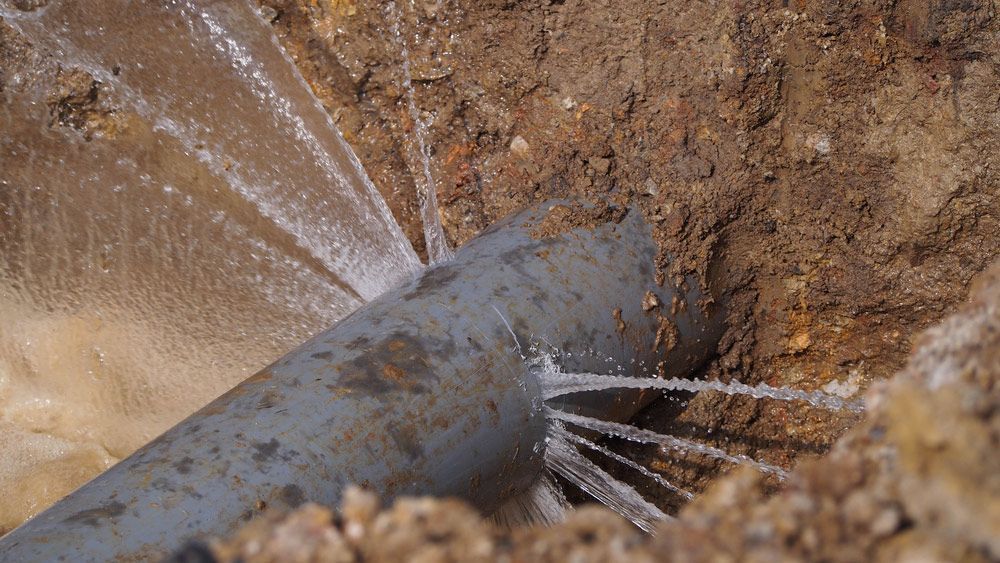
One of the most valuable things a professional plumbing inspection delivers is early detection. Many of the most expensive plumbing emergencies (e.g. burst pipes, major leaks, sewage backups) do not appear without warning. They develop over time through gradual deterioration that a trained plumber can identify well before the failure point is reached.
Water damage prevention is significantly more cost-effective than water damage remediation. A slow leak behind a wall can go undetected for months, causing structural damage, mould growth and degradation of insulation and building materials. By the time it becomes visible, the repair scope has expanded considerably beyond what an early inspection would have identified and addressed.
Plumbing maintenance carried out on a regular schedule — rather than only in response to problems — is the most reliable way to avoid the kind of emergency that disrupts daily life and results in an invoice far larger than a routine inspection would have cost.
Compliance With Australian Standards and Licensing Requirements
Australian plumbing standards exist to protect both occupants and property. The Plumbing Code of Australia sets out the requirements for plumbing installations and materials, and licensed plumbers are trained and assessed against these standards as a condition of their accreditation.
DIY plumbing work that does not meet these standards can result in non-compliance issues that become apparent when a property is sold, when an insurance claim is made or when council inspections are conducted. The cost of rectifying non-compliant work, which often requires a licensed plumber to redo or certify the installation, is typically higher than the cost of engaging a professional from the outset.
A licensed plumber not only carries out the work to the required standard but can also provide documentation of compliance where required, which is particularly important for landlords, property managers and commercial operators who have specific obligations under relevant legislation.
The Real Cost Comparison: DIY vs Professional Inspection
It is tempting to frame DIY plumbing as the cheaper option, but the cost comparison over time rarely supports that conclusion. The upfront saving on a DIY repair that fails, requires a professional to rectify or causes secondary damage is quickly outweighed. Emergency call-out fees, after-hours rates and the cost of water damage remediation all contribute to an outcome that is considerably more expensive than an initial professional plumbing inspection would have been.
Plumbing services provided by a licensed plumber come with workmanship guarantees, insurance coverage and the assurance that the work meets the required standard. These are genuine financial protections that DIY repairs do not provide. For homeowners and property managers who are making a long-term investment in a property, this protection has real value.
When DIY Is Acceptable and When It Is Not
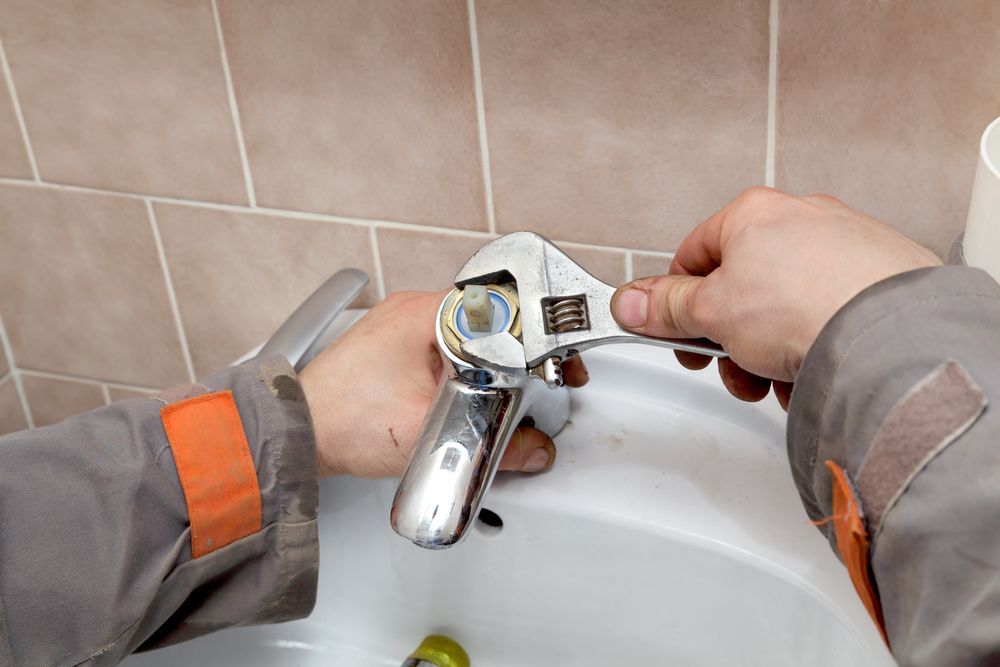
Not every plumbing-related task requires a licensed plumber. Replacing a tap washer, cleaning a shower head, clearing a simple surface-level blockage or checking water pressure at a tap are tasks most homeowners can manage safely. These are maintenance tasks rather than plumbing work in the regulated sense.
Where the line is crossed, and where a licensed plumber is legally required in NSW, is in work involving connections to water supply lines, drainage systems, hot water systems, gas fitting or any work that requires opening walls or accessing internal pipe runs. Plumbing safety in these areas is not a matter of personal competence. It is a matter of law, and the consequences of getting it wrong extend beyond the individual homeowner.
Pipe Inspections and Modern Diagnostic Technology
One area where professional plumbing inspections offer a particularly clear advantage over DIY is in pipe inspections using modern diagnostic technology. CCTV drain cameras allow a licensed plumber to inspect the interior of pipes without excavation, identifying blockages, root intrusion, cracking and joint failures that are otherwise invisible.
Acoustic leak detection equipment can locate hidden leaks behind walls or beneath slabs without invasive investigation. Thermal imaging can reveal moisture in wall cavities before any visible damage appears. These tools represent a significant investment that is only accessible through professional plumbing services — and the information they provide is often the difference between a targeted, cost-effective repair and an expensive and disruptive process of elimination.
Talk to a Licensed Plumber About a Professional Inspection
Accredited Plumbing provides professional plumbing inspections and plumbing services across Milton and the surrounding South Coast region, including Mollymook, Narrawallee, Ulladulla and surrounds. With over 35 years of experience, full licensing and membership with the Master Plumbers Association, our team delivers inspections and plumbing maintenance that identify issues early, ensure compliance and protect your property. Get in touch today to arrange a professional inspection or to discuss any plumbing concerns with our licensed team.